


This research area aims to understand the biological processes that influence how trees grow, and how the physiological mechanisms of trees regulate ecosystem processes.
Main research themes across our faculty include
- Water, carbon, and nitrogen cycling in forest ecosystems
- Forest physiology and ecology
- Forest genetics
- Landscape planning
- Resource assessments
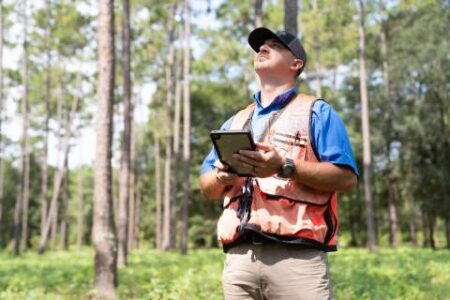
- GIS, GPS, and emerging technologies for forest assessments
- Forest pests, diseases, and disturbance ecology
Graduate Degrees in Forest Biology
Tree growth and the development of forest stands are both controlled by a complex suite of biological and physical factors. The primary goal of the Forest Biology program is to generate and maintain healthy, productive forests by studying basic biological processes that influence forest development and function. The interaction of these processes with each other and with the physical environment also are studied by many of our faculty. Areas of specialization within Forest Biology include biotechnology, ecology, forest health, genetics, physiology, silviculture and soils. Integration of areas is encouraged.
CURRICULUM
Forest Biology can be pursued under the MNR, MS, and PhD degree programs. To pursue Forest Biology as an official area of emphasis, the following courses are required for each degree:
*Total of 9 hours required for the area of emphasis.