


Villari Forest Pathology Lab
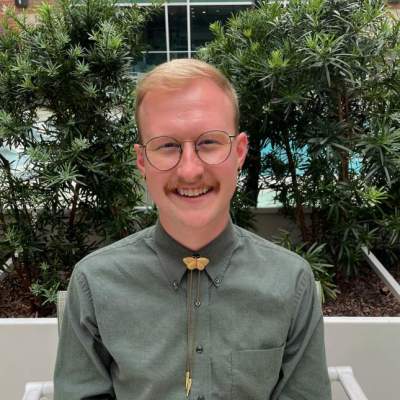
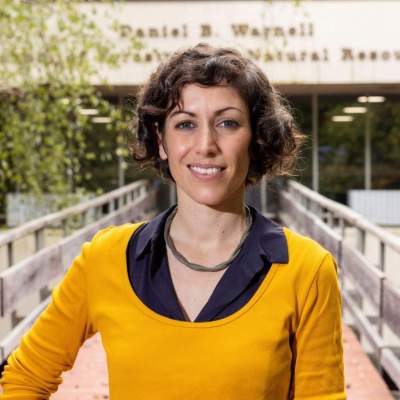
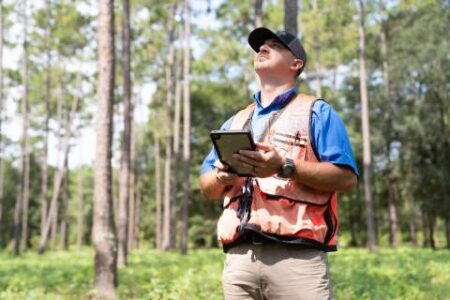
The Villari Forest Pathology Lab studies basic and applied forest pathology, working in collaboration with the Forest Service, the Georgia Forestry Commission, and private industry partners. Dr. Villari and her team investigate tree resistance mechanisms, especially in pines, using an interdisciplinary approach that involves ecological, metabolomic, and molecular analyses, with the broader outcome of assisting the tree breeding community. The lab also brings cutting-edge technologies, spanning from chemical ecology to molecular diagnostics, into the field of forest pathology, thereby contributing to the advancement of forest health.

Current Projects
Brown Spot Needle Blight (BSNB)
A major part of Dr. Villari’s program focuses on the emerging disease brown spot needle blight (BSNB), caused by a fungal species, Lecanosticta acicola, that has recently become a major concern in many parts of the world, including the Southeastern US. Dr. Villari’s program explores many of the key knowledge gaps in the system, from diagnostics and resistance screening to the use of transcriptomics and genomics to further disentangle the host/pathogen interactions.
White Pine Dieback
Eastern white pine (Pinus strobus) is the most widely planted tree in eastern North America, playing a critical role both in the economy and the ecology of the region. The species is threatened by White Pine Dieback (WPD), an insect-fungus disease complex that causes crown thinning, cankerous lesions, and, in severe cases, dieback and mortality. White Pine Dieback is believed to be caused by the eastern white pine bast scale (Matsucoccus macrocicatrices) and the fungal canker pathogen Caliciopsis pinea, and the Villari Forest Pathology Lab investigates the relationship between the two components of this disease complex.
Oak Wilt
Oak wilt, caused by the fungus Bretziella fagacearum, is a destructive disease of Quercus species. The Villari Forest Pathology Lab works to improve current diagnostic assays to detect the disease and participates in a broader network of scientists studying oak wilt epidemiology and testing management strategies.


Publications
For a full list of Dr. Villari’s publications, please visit her Google Scholar profile:
https://scholar.google.com/citations?user=JUyBOH0AAAAJ&hl=en